What Basement Water Issues Teach Bel Air Homeowners About Long-Term Protection
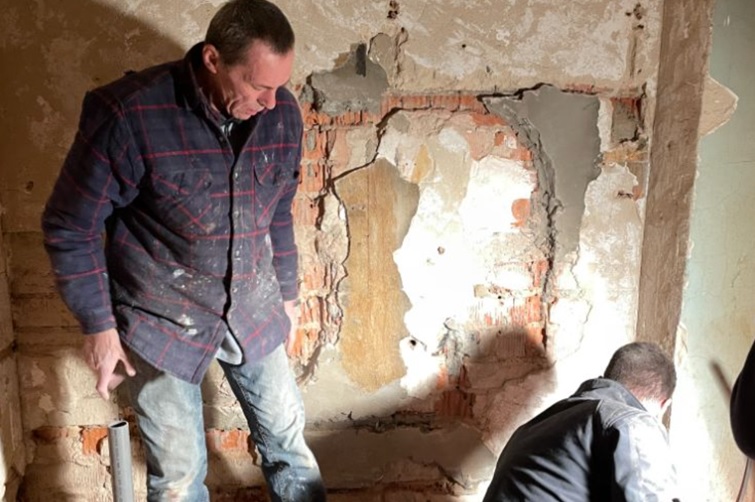
Basement water problems tend to start quietly. A damp smell after heavy rain, a small puddle near the wall, or paint that starts bubbling for no clear reason. In Bel Air, where seasonal rain and shifting soil are part of life, many homeowners do not realize how common these signs are until the damage becomes harder to ignore.
That is usually when people start searching for help and trying to understand what is really going on beneath their home. Homeowners often look for guidance online and eventually click here to learn more about Expert Basement Waterproofing in Bel Air and which options actually make sense for their situation.
Why Basements Are So Vulnerable To Water Damage
Basements sit below ground level, which already puts them at a disadvantage. Water naturally moves downward, and when soil around a home becomes saturated, pressure builds against foundation walls. Over time, that pressure finds weak spots.
In Bel Air, many homes deal with clay-heavy soil that holds moisture longer than expected. Add older foundations, aging drainage systems, or poor grading around the house, and water intrusion becomes more likely. Even newer homes are not immune if waterproofing was treated as an afterthought.
Basement water problems also tend to worsen gradually. A small crack today can turn into a steady leak next season. And because basements are often used for storage or laundry, issues can go unnoticed for longer than they should.
Early Warning Signs Homeowners Often Miss
Most basement water problems give warning signs, but they are easy to dismiss. A musty smell is often blamed on old boxes. White residue on walls, known as efflorescence, is mistaken for dust. Minor cracks are assumed to be harmless.
These signs usually mean moisture is already present. Mold spores thrive in damp environments, and even low levels of humidity can damage framing, insulation, and flooring over time. Once mold becomes visible, the problem has usually been there for a while.
Another overlooked sign is increased humidity in the home. If your basement feels damp year-round, that moisture can rise into upper levels, affecting air quality and comfort throughout the house.
What Proper Basement Waterproofing Actually Involves
Basement waterproofing is not a one-size-fits-all solution. Effective work starts with understanding where the water is coming from and why it is entering the space. Surface water, groundwater, foundation cracks, and drainage failures all require different approaches.
Interior solutions may include sealing cracks, installing drainage channels, or adding sump pump systems to manage water once it enters. Exterior solutions can involve improving grading, repairing foundation walls, or installing exterior drainage to redirect water away from the home.
The goal is not just to stop visible leaks but to manage moisture in the long term. A properly waterproofed basement stays dry through changing seasons, heavy rain, and fluctuating groundwater levels.
Why Quick Fixes Often Fail
It is tempting to try quick fixes like waterproof paint or sealant sprays. While these products may temporarily improve appearance, they rarely address the root cause of the problem. Water pressure does not disappear just because a wall looks sealed.
Over time, trapped moisture can cause coatings to peel and cracks to widen. Homeowners often end up spending more correcting failed fixes than they would have by addressing the issue properly from the start. Long-term protection comes from managing water movement, not just blocking it at the surface.
How Waterproofing Protects Home Value
A dry basement is more than a convenience. It plays a big role in protecting property value. Buyers are cautious about homes with a history of water issues, even if those issues appear resolved.
Proper waterproofing provides peace of mind and documentation that the problem was handled correctly. It also allows homeowners to safely use basement space for storage, living areas, or future renovations. In Bel Air, where homes are a long-term investment for many families, maintaining a dry and stable foundation helps preserve both comfort and resale value.
Preparing Before Basement Problems Escalate
One of the best lessons basement water issues teach homeowners is the value of early action. Regular inspections, especially after heavy rain, can catch problems before they grow.
Keeping gutters clean, ensuring downspouts direct water away from the foundation, and maintaining proper grading around the home all support waterproofing efforts. These small steps work together to reduce water pressure around the basement walls. It also helps to know who to call before water becomes an emergency. Having a trusted local expert means you can act quickly instead of scrambling for solutions under stress.
A Practical Next Step For Bel Air Homeowners
Basement water problems do not resolve on their own. They tend to grow quietly until damage becomes harder and more expensive to fix. Taking action early protects your home and reduces long-term risk.
Bel Air Basement Waterproofing works with local homeowners who want reliable solutions that address the real cause of basement moisture. Whether you are dealing with ongoing leaks or early warning signs, professional guidance can help you move forward with confidence.
If you are noticing changes in your basement or want to be proactive about protection, you can learn more about your options by visiting their site and taking the next step to safeguard your home.