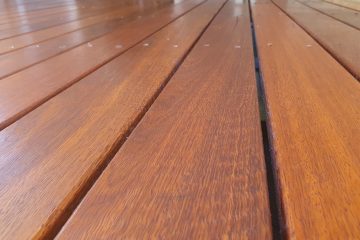
How a Tasmanian Oak Buffet Can Transform Your Dining Room
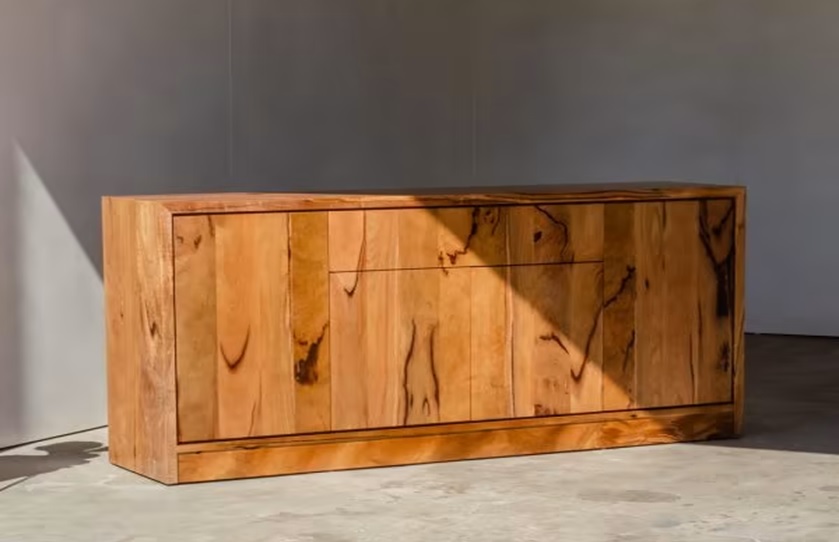
The One Piece of Furniture Most Dining Rooms Are Missing
Ask most homeowners what their dining room is lacking, and “storage” comes up more often than you’d expect. There’s the good crockery that lives in a box in the cupboard because there’s nowhere to display it. The tablecloths folded in a drawer three rooms away. The wine bottles lined up on the kitchen counter because there’s simply nowhere better for them. If any of this sounds familiar, the solution may be simpler — and more beautiful — than you think.
A Tasmanian oak buffet does something that no other single piece of dining room furniture quite manages: it combines genuine, practical storage with a display surface that elevates the entire room. And when it’s crafted from Tasmanian oak furniture-grade hardwood, it does all of this with a warmth and character that simply can’t be replicated by flat-pack alternatives.
In this article, we’ll walk through exactly how a Tasmanian oak buffet can transform your dining room — from the functional benefits and styling possibilities to what makes Tasmanian oak the right material choice for this particular piece of furniture.
What Is a Buffet, and Why Does Your Dining Room Need One?
A buffet — also called a sideboard in some contexts — is a long, low storage unit designed for use in the dining room. It typically combines a flat top surface with a combination of drawers, cupboards, and open shelving below.
Unlike a display cabinet, which prioritises visibility, or a bookcase, which is primarily vertical, the buffet is built around the twin principles of accessible storage and usable surface space. In a dining room context, that’s an incredibly powerful combination.
What a buffet is used for:
- Storing tableware, serving dishes, and good cutlery that isn’t used every day
- Keeping tablecloths, napkins, placemats, and table runners neatly folded and within reach
- Housing glassware, decanters, and bottles for easy access when entertaining
- Providing a staging area for serving food buffet-style during dinner parties
- Displaying flowers, artwork, candles, or decorative objects that reflect your personal style
That last point matters more than it might seem. The buffet’s flat top is, in effect, a dedicated styling surface in your dining room — a horizontal canvas that you can dress and redress with the seasons, the occasion, or simply your mood. Very few other pieces of furniture give you that kind of creative latitude while also being deeply practical.
Why Tasmanian Oak Is the Right Material for a Buffet
Choosing the right timber for a buffet matters, because this is a piece that will be used — and seen — every single day. Tasmanian oak is one of the most well-regarded native hardwoods in Australia, and it’s particularly well-suited to a buffet for several specific reasons.
It Handles Daily Use Without Complaint
A dining room buffet is opened, closed, and leaned on more than most people expect. Drawers slide in and out, cupboard doors swing open, and the top surface bears the weight of everything from serving dishes to vases. Tasmanian oak’s Janka hardness rating of approximately 5.5 kN puts it firmly in the durable hardwood category — meaning it absorbs this kind of daily activity without showing premature wear.
This is a meaningful distinction from engineered timber and MDF alternatives, which can show stress at hinges and joints within just a few years. Solid Tasmanian oak construction, by contrast, is built to last for decades when properly maintained.
The Pale Tones Work in Almost Any Dining Room
Tasmanian oak is characterised by a pale, creamy palette that moves through straw, warm white, and subtle blush-pink tones depending on the grain and the finish applied. This neutral warmth is one of its greatest strengths in a dining room context, because it doesn’t compete for attention — it complements.
Whether your dining room features dark floorboards, light tiles, painted walls, or timber panelling, a Tasmanian oak buffet tends to fit naturally into the space. It’s warm enough to feel inviting, pale enough to stay light, and characterful enough to hold its own as a feature piece.
It Improves With Age
One of the subtle pleasures of solid timber furniture is watching it change over time. Tasmanian oak deepens and mellows with age, the grain growing richer and the surface developing a patina that no new piece of furniture can replicate. A buffet that looks beautiful today will look even better in fifteen years — something that cannot be said of veneered or flat-pack alternatives.
How a Tasmanian Oak Buffet Transforms the Practical Side of Your Dining Room
Bringing Order to Dining Room Clutter
The dining room is one of the busiest rooms in the house. It’s where meals are prepared and served, where homework gets done, where guests congregate, and where the detritus of daily life tends to accumulate. Without dedicated storage, it can feel chaotic even when it isn’t.
A buffet solves this by giving everything a logical home. Consider what changes when you have a well-designed storage unit in the room:
- Serving bowls and platters live within arm’s reach of the table instead of requiring a trip to the kitchen
- The dining table itself stays clearer because the buffet absorbs the items that would otherwise end up on it
- Entertaining becomes more relaxed because you can pre-set the buffet top with drinks and glasses before guests arrive, then replenish it throughout the evening without leaving the room
- Table settings for special occasions — the good china, the linen napkins, the silver candlesticks — have a dedicated, accessible home instead of being buried in a cupboard
For families with children, the storage benefit is even more pronounced. Craft supplies, activity books, and the general overflow of family life can be contained within the buffet’s drawers and cupboards, keeping the dining space functional and visually calm even on the busiest evenings.
A Staging Surface That Elevates Every Occasion
The top surface of a buffet is one of the most underrated elements of dining room design. It’s a horizontal platform at just the right height — typically around 85–90 centimetres — to serve as a styling surface, a serving station, or a display area depending on what the occasion demands.
On an everyday evening, it might hold a simple vase of flowers, a candle, and a small bowl for keys and mail — a curated vignette that makes the room feel considered without demanding much effort.
When you’re hosting a dinner party, the buffet top becomes the bar station: bottles, an ice bucket, glasses, and a cutting board for cheese and crackers laid out in a way that keeps the kitchen clear and the conversation flowing in the dining room.
During the holidays, it’s the ideal surface for a festive display — candles, greenery, perhaps a centrepiece that wouldn’t fit on the dining table itself.
This flexibility is what makes a buffet different from a storage unit hidden away in a hallway or a spare room. It’s a piece that actively participates in how the room functions and how it feels — and a Tasmanian oak buffet does this with the kind of natural warmth that makes every occasion feel a little more special.
Choosing the Right Tasmanian Oak Buffet for Your Space
Sizing Matters More Than Most People Realise
The most common mistake when choosing a buffet is selecting one that’s too small for the wall it’s going on. A buffet that floats in the middle of a long wall can look undersized and awkward. As a general rule, aim for a buffet that occupies at least half to two-thirds of the available wall length — this creates a grounded, intentional look rather than a piece that looks like it was placed there by accident.
Key dimensions to consider:
- Width — measure the wall and consider the proportions carefully; wider is usually more balanced
- Height — most buffets sit between 80–90 cm tall, which aligns with a comfortable serving height and allows items displayed on top to be seen clearly
- Depth — deeper buffets offer more storage but can project further into the room; check your clearance from the dining table
Open Drawers vs. Closed Cupboards
Different households have different storage needs, and the best buffets offer a combination of both. Drawers are ideal for flat items — cutlery, placemats, napkins — while cupboards provide concealed storage for bulkier items like serving dishes and bottles. Open shelving, where included, offers a place for items you want visible and accessible: a favourite bottle of wine, a set of beautiful glasses, or a stack of cookbooks.
Think honestly about what you plan to store and how often you’ll access it before choosing a configuration.
Matching the Finish to Your Room
Tasmanian oak can be finished in natural oil, clear lacquer, or light stain. A natural oil finish gives the most organic, raw look, allowing the grain’s character to take centre stage. A clear lacquer adds depth and a slight sheen, making the surface feel more polished and formal. If your dining room has a warm timber floor, lean toward a finish that echoes its undertones; if you have a cool, neutral palette, the natural unaltered tone of Tasmanian oak typically works beautifully.
Caring for Your Tasmanian Oak Buffet
A buffet sits against a wall and isn’t subject to the same level of impact as a dining table — but it still benefits from consistent, simple care.
- Dust the surface regularly with a soft, dry cloth to prevent fine particles from dulling the finish over time
- Clean spills promptly, particularly on the top surface where glasses and bottles are often placed
- Use coasters and trivets under bottles, glasses, and serving dishes to protect against moisture rings and heat marks
- Re-oil periodically if your piece has an oil finish — once a year is typically sufficient
- Avoid direct sunlight for prolonged periods to prevent uneven fading across the surface
With this routine, a solid Tasmanian oak buffet will look exceptional for decades, deepening in warmth and character as the years pass.
Conclusion: Small Addition, Big Transformation
A dining room without a buffet is a room waiting to be completed. Once you add one — particularly a solid piece of Tasmanian oak furniture built to last — the difference is immediate and significant. The clutter finds a home. The room gains a focal point beyond the table. Entertaining becomes easier and more enjoyable. And every time you sit down for a meal, you’re surrounded by a space that feels genuinely put-together.
A Tasmanian oak buffet is one of those furniture investments that pays for itself in daily satisfaction. If you’ve been on the fence, consider this your permission to stop waiting — browse the full Jarrimber collection and find the piece that makes your dining room feel exactly the way you’ve always wanted it to.
Frequently Asked Questions
What is the difference between a buffet and a sideboard?
The terms buffet and sideboard are often used interchangeably in Australian furniture retail. Both refer to a long, low storage unit designed for the dining room. Some makers distinguish between them by height or configuration — sideboards may be slightly narrower or taller — but functionally, they serve the same purpose: dining room storage combined with a usable top surface.
How do I choose the right size Tasmanian oak buffet for my dining room?
Measure the wall space available and aim for a buffet that fills at least half to two-thirds of the wall length for balanced proportions. Standard buffet height sits between 80–90 cm for comfortable serving access. Always allow enough clearance between the buffet and the dining table so chairs can move freely without obstruction.
Is a Tasmanian oak buffet durable enough for a busy family home?
Yes. Tasmanian oak is a native Australian hardwood with a Janka hardness rating of approximately 5.5 kN, making it well-suited to high-use furniture. Unlike veneer or MDF pieces, solid timber can be sanded and refinished if the surface becomes marked or scratched over time — meaning it can look as good as new even after years of heavy family use.
How do I style the top of a Tasmanian oak buffet?
The buffet top is a flexible styling surface. For everyday use, a vase of flowers, a candle, and a decorative object create a simple, curated look. When entertaining, it doubles as a bar station or food staging area. Seasonal displays — festive greenery, a collection of candles, or fresh botanicals — allow you to refresh the room’s feel without changing any other furniture.
How do I care for and maintain a Tasmanian oak buffet?
Dust regularly with a soft cloth, wipe up spills promptly, and use coasters under bottles and glasses. If oil-finished, apply a light re-oil once a year to keep the timber nourished. Avoid placing the buffet in prolonged direct sunlight to prevent uneven colour change. With consistent care, Tasmanian oak deepens and improves in appearance over time.