Common Carpet Buying Mistakes (And How to Avoid Them)
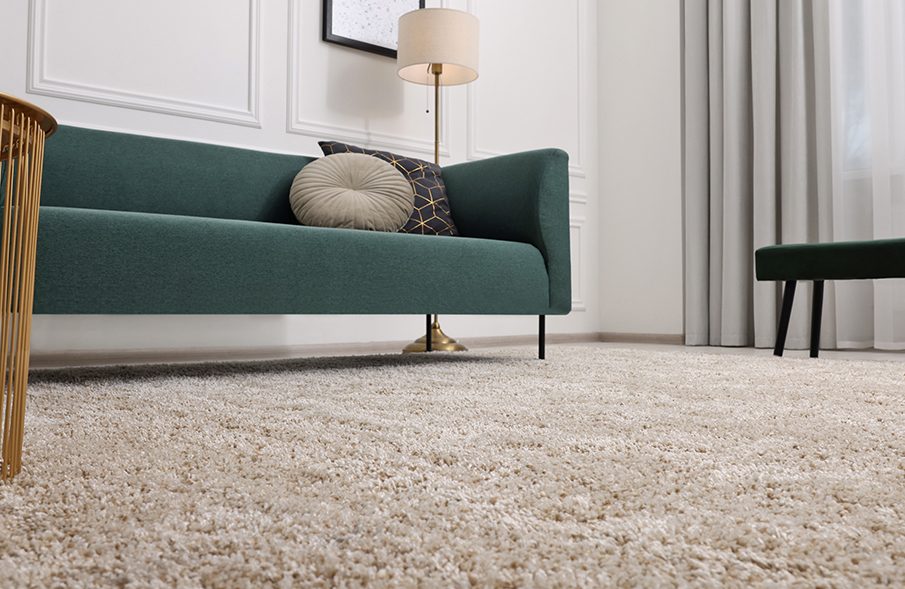
Buying a new carpet should feel like a straightforward upgrade, but it often becomes stressful for one simple reason: people choose based on how it looks on a small sample, then discover later that it does not suit the way they actually live. The good news is that most carpet mistakes are predictable. Once you know what they are, you can avoid them without overthinking the process. If you are comparing options locally and looking at Falkirk carpets, a few practical checks can help you choose something that still looks good after the “new carpet” feeling has worn off.
The biggest shift is to treat carpet as a performance purchase as well as a style choice. Comfort matters, but so does resilience, cleaning, and how the carpet behaves in the rooms you use most.
Choosing For Colour Alone Instead Of The Room
One of the most common mistakes is falling in love with a colour before you have considered the room it is going into. A shade that looks perfect in a bedroom can feel impractical in a hallway. A soft, pale tone can brighten a living room, but it may also show marks far more than you expect if the space is used heavily.
It helps to start with how the room is used, then narrow colour choices within that. Busy areas tend to suit slightly more forgiving tones, subtle patterns, or heathered finishes that do not show every footprint and mark. Quieter rooms give you more freedom to prioritise softness and the exact look you want.
Lighting is part of this too. Showrooms are not your home. A carpet that looks warm under bright showroom lights can look cooler in natural daylight, and some colours change dramatically depending on the direction of the pile. Taking a sample home and viewing it at different times of day is one of the simplest ways to avoid a decision you regret.
Picking The Wrong Pile Type For Daily Life
Pile type makes a bigger difference than most people realise. Some carpets look plush and feel lovely underfoot, but they can show shading, footprints, and vacuum marks more clearly. That is not a fault, it is just how they behave. If you choose one of these finishes for a busy family living space, you may end up feeling like it looks worn when it is simply showing pressure and direction.
For high-traffic areas, denser constructions tend to hold up better. Stairs, landings, and hallways usually benefit from a carpet built to cope with constant use, rather than one chosen purely for softness. Bedrooms are often the best place to prioritise comfort and a deeper pile, because the wear is typically lower.
If you have pets, this becomes even more important. Some looped styles can catch claws and pull. In those homes, a tighter, more robust finish is often a safer choice, not because it looks less premium, but because it stays looking better for longer.
Underestimating The Importance Of Underlay
People often think underlay is an optional extra, but it has a major effect on how the carpet feels and how long it lasts. Underlay supports the carpet from beneath, helping it keep its shape and reducing wear. It also improves warmth and noise reduction, which is often the main reason people choose carpet in the first place.
A carpet fitted with poor underlay can feel flat, wear faster, and look tired sooner than it should. On the other hand, a good underlay can make an average carpet feel better underfoot and extend its life. If you are trying to manage budget, it is usually smarter to choose a slightly more modest carpet with good underlay than an expensive carpet with weak support underneath.
Not Planning For Furniture, Doors, And Transitions
Carpet buying does not stop at the carpet. Your furniture, door clearances, and the way one room connects to another all matter.
Heavy furniture can leave indentations, and some layouts concentrate pressure in certain spots. That is normal, but it is worth thinking about whether the room has areas that will take more wear. In spaces where you move furniture often, or where chairs slide back and forth, the carpet needs to cope with friction and repeated movement.
Door clearances are another common issue. A thicker carpet and underlay combination can affect how doors open. A good fitter will account for this, but it is worth mentioning during measuring so it can be planned properly. Transitions between rooms also matter. Door bars and edges can either look neat and seamless or feel like an afterthought if they are not considered early.
Getting Measurements Wrong Or Relying On Guesswork
Measuring a room sounds simple until you deal with alcoves, bay windows, stairs, landings, and awkward corners. Small errors can lead to delays, additional costs, or compromised fitting. People sometimes measure themselves to save time, only to discover later that the final quote changes once accurate measurements are taken.
A proper measure and quote removes that uncertainty. It also ensures the carpet is ordered correctly, with waste accounted for where needed. This is especially important for patterned carpets or where you want the pile direction to run consistently through connecting areas. Getting it right at the measuring stage is far easier than trying to fix issues on fitting day.
Skimping On Fitting
A great carpet can still look poor if fitting is rushed or not handled properly. Edges, joins, and stair fitting all affect the final look and how the carpet wears. When fitting is done well, the carpet looks smoother, sits correctly, and is less likely to develop problems over time.
People sometimes focus on the price per square metre and then try to reduce cost by cutting corners on fitting. That usually backfires. If you are investing in new flooring, professional fitting is part of the result you are paying for. It is also one of the biggest factors in whether the carpet still looks good a year later.
Forgetting That Maintenance Is Part Of The Choice
Every carpet needs maintenance, but some choices are simply easier to live with than others. A very light, flat colour can look stunning in the right space, but it will show more marks. A carpet that has some variation in tone can be far more forgiving day to day while still looking stylish.
It is also worth thinking about how you realistically clean. If you vacuum regularly and spot clean spills quickly, you have more freedom. If you know life gets busy and you will not always be on top of it, choose something that is easier to maintain without looking tired.
Making The Decision Too Quickly
The final mistake is rushing. Carpet is a long-term choice, and it is worth giving yourself the time to compare options properly. That does not mean weeks of indecision, it just means doing a quick reality check: does this carpet suit the room, your lifestyle, and the level of maintenance you are willing to do?
If you can, view samples in your home, in natural light, next to your walls and furniture. That one step alone prevents a surprising number of regrets.
Most carpet mistakes come from focusing on one factor, usually colour or softness, and ignoring the rest. When you choose with the room in mind, pay attention to underlay and fitting, and take a moment to test samples at home, you end up with a carpet that looks right and works properly for everyday life.