
How Technology Is Transforming Property Buying and Selling
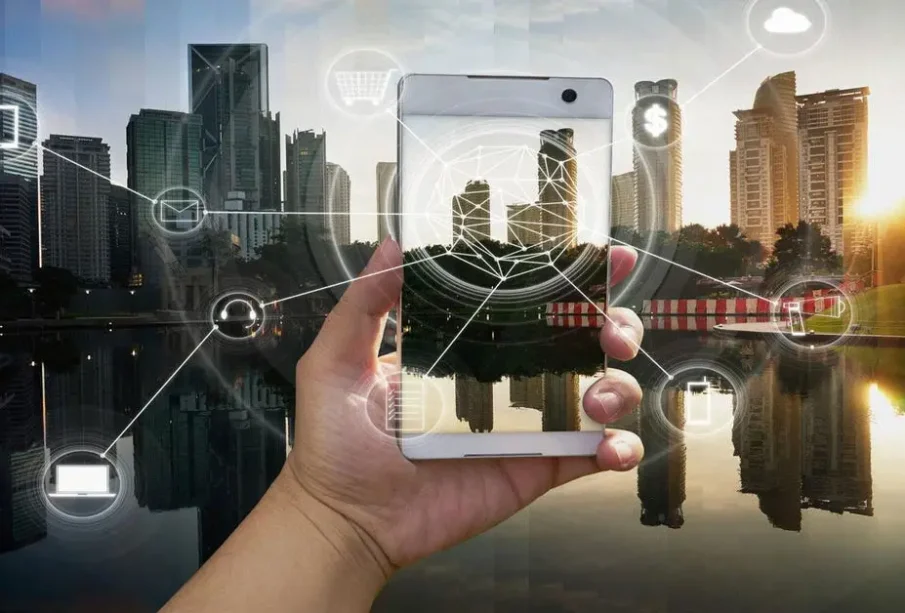
Buying or selling a property has traditionally involved plenty of paperwork, phone calls, physical inspections, and long waiting periods. Today, technology is changing that experience. From virtual property tours to online listings and digital payments, modern tools are making the real estate process faster, more convenient, and accessible to more people.
Property Searches Are Now Easier
One of the biggest changes has been the way people search for properties. Instead of driving around different neighbourhoods looking for signs, buyers can browse hundreds of listings online from their phones or computers just as they browse through online casinos australia.
Property websites and apps allow users to filter searches based on location, price, property type, number of rooms, and other preferences. This makes it easier to narrow down choices before arranging a physical viewing. Sellers, meanwhile, can reach potential buyers far beyond their immediate neighbourhood.
Virtual Tours Save Time
Technology has also changed how properties are viewed. High-quality photographs, videos, 360-degree tours, and virtual reality experiences can give buyers a detailed look at a property without requiring them to visit immediately.
This can be especially useful for people moving to another city or buying property from overseas. A virtual tour cannot replace seeing a property in person, but it can help buyers eliminate unsuitable options before spending time on physical inspections.
Data Helps Buyers Make Better Decisions
Real estate decisions involve more than simply liking the appearance of a house. Buyers often want to understand property prices, neighbourhood trends, rental demand, and potential investment returns.
Data and analytics tools can provide useful information that helps buyers compare properties and make more informed choices. Sellers can also use market data to understand demand and price their properties more realistically.
Digital Transactions Are Becoming Common
Unlike best payout online casinos, paperwork has long been one of the more frustrating parts of property transactions. Digital platforms are helping simplify parts of this process by allowing documents to be shared, reviewed, signed, and stored electronically.
Digital payment systems can also make certain transactions more convenient. However, buyers still need to verify ownership, legal documents, and payment details carefully before transferring large amounts of money.
Technology Improves Communication
Real estate agents, buyers, sellers, lawyers, and other professionals can now communicate almost instantly. Messaging platforms, video calls, email, and property management software make it easier to keep everyone updated.
This can reduce delays and make the buying or selling process feel more organised. Instead of waiting days for information, people can often receive updates within minutes.
The Human Side Still Matters
Despite all these technological improvements, buying property remains a major personal and financial decision. Technology can provide information and convenience, but it cannot completely replace professional advice, physical inspections, or human judgment.
The future of real estate will likely involve a combination of both. Technology will continue making property transactions quicker and smarter, while experienced professionals will remain important for handling the complex decisions behind them.
Ultimately, the biggest change is simple: technology is making property buying and selling less dependent on physical distance and more accessible to people wherever they are.


