Discover the Perfect Custom Shed Design to Your Home
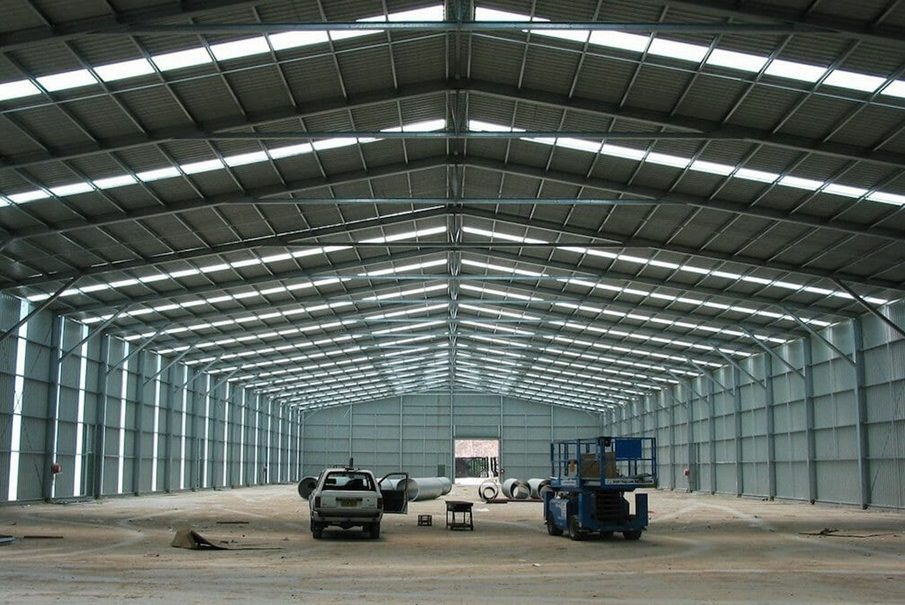
A shed doesn’t have to be just a storage box sitting in the backyard. With thoughtful planning and the right design approach, it can become a seamless extension of your home—enhancing both functionality and visual appeal. Whether you need extra storage, a workspace, or a multipurpose outdoor area, a well-designed shed can significantly elevate your property’s usability and value.
Let’s explore how to design a custom shed that not only serves your needs but also blends beautifully with your home’s overall style.
Start with purpose: what will your shed actually do?
Every great shed design begins with clarity around its purpose. The way you plan the space will depend entirely on how you intend to use it.
Common uses include:
- Secure storage for garden tools, bikes, or equipment
- A dedicated workshop for DIY projects or repairs
- A vehicle space such as a garage or caravan storage
- A multi-use hobby or creative studio
Defining the purpose early helps determine the right size, layout, and structural features.
Designing for functionality first
Once you know the purpose, focus on practical layout decisions that make the shed easy to use every day.
Key functional elements to consider:
- Built-in shelving or racking for organised storage
- A sturdy workbench for hands-on tasks
- Adequate lighting for visibility and safety
- Power access for tools and appliances
- Proper ventilation to reduce heat and moisture build-up
- Wide entry points for equipment and vehicle access
A functional layout ensures the shed remains useful long after installation.
Making your shed match your home’s style
A shed should feel like part of your property—not an add-on. Matching design elements helps create a cohesive outdoor space.
To achieve visual harmony, consider:
- Roof style that mirrors your home (gable, flat, or pitched)
- Exterior colours that complement your house
- Consistent materials or finishes
- Window and door styles aligned with your home design
- Landscaping that integrates the shed into the garden
Even a simple shed can look high-end when it visually connects with the main house.
Choosing the right shed materials
Material selection plays a major role in durability, maintenance, and appearance.
Steel sheds: strong and long-lasting
Steel is one of the most popular choices for Australian conditions. It’s durable, low-maintenance, and resistant to pests and fire—making it ideal for long-term use.
Timber sheds: natural and flexible
Timber offers a warm, traditional look and can be customised with paint or stain. However, it requires ongoing maintenance to protect against weather and pests.
Colorbond finishes: built for Australian weather
Colorbond steel is specifically designed for harsh sun, wind, and rain. It’s available in a wide range of colours, making it easy to match your home’s exterior.
Placement and council approvals matter
Before construction begins, choosing the right location and understanding local regulations is essential.
Smart placement considerations:
- Keep the shed close enough for convenience
- Ensure easy access for vehicles or equipment
- Maximise natural light where possible
- Avoid flood-prone or low-drainage areas
Council requirements may include:
- Boundary setback rules
- Height restrictions
- Building permit approvals
Checking these early helps avoid delays and unexpected costs later.
Choosing reliable shed professionals
The quality of your shed depends heavily on who builds or supplies it. A reputable provider ensures proper design guidance, compliance, and long-term durability.
When selecting a supplier, look for:
- Proven experience in shed construction
- Positive customer feedback and reviews
- Transparent pricing and inclusions
- Licensing and insurance coverage
- Warranty and after-sales support
A trustworthy provider can help turn your idea into a well-built, long-lasting structure.
Maximising the potential of your finished shed
Once your shed is built, smart organisation and design touches can make a big difference in usability.
Storage optimisation ideas:
- Wall-mounted shelving systems
- Clear labelled storage bins
- Pegboards for tools and accessories
- Vertical storage to save floor space
Creating a functional workspace:
- Install a durable workbench
- Add task lighting for precision work
- Include electrical outlets for equipment
Outdoor finishing touches:
- Garden beds or greenery around the shed
- A paved or gravel pathway for access
- Decorative screening to soften the structure
These small additions help the shed feel like a natural extension of your home.
Popular shed styles to consider
Different shed shapes offer different benefits depending on your space and needs.
Gable sheds
Classic pitched roof design offering excellent headroom and versatility for storage sheds or workshops.
Barn-style sheds
High-ceiling structures with maximum storage capacity—barn sheds well-suited for rural or large properties.
Rural sheds
Rural sheds are large, heavy-duty sheds designed for agricultural equipment, livestock needs, or large-scale storage.
Final thoughts: building more than just a shed
A well-planned shed is more than an outdoor structure—it’s a functional extension of your lifestyle. Whether you want extra storage, a creative workspace, or a secure area for vehicles, the right design can transform how you use your property.
By focusing on purpose, design cohesion, materials, and compliance, you can create a shed that feels intentional, practical, and visually aligned with your home.
Top of Form
Bottom of Form