The Modern Family Sanctuary: Interior Design That Balances Style and Livability
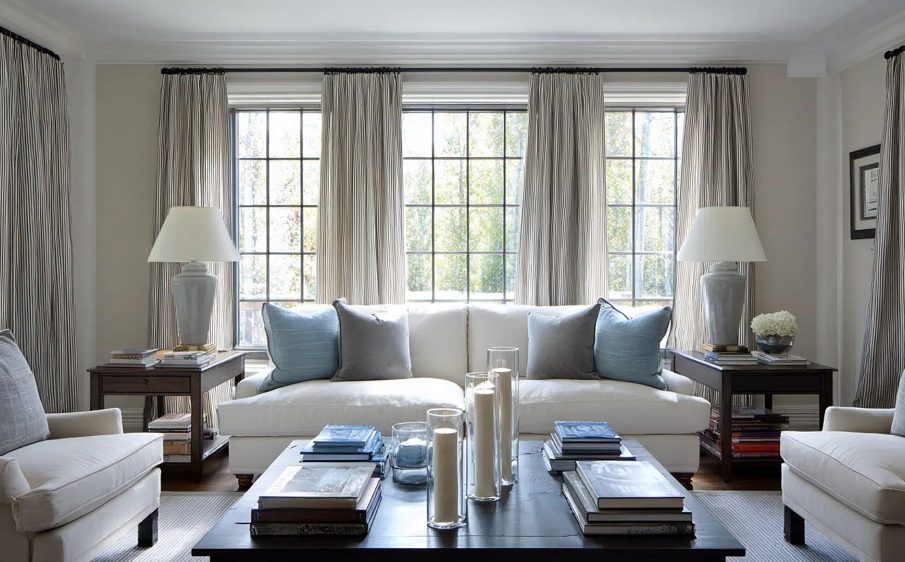
Creating a modern home for a family requires a delicate dance between high-end aesthetics and the messy reality of daily life. For decades, interior design was often split into two camps: the “showroom” look, which was beautiful but cold, and the “lived-in” look, which prioritized comfort but often lacked a cohesive style. Today, modern family home design has evolved to bridge this gap. By focusing on durable materials, flexible layouts, and a sophisticated color palette, you can create a space that feels like a curated sanctuary while standing up to the demands of children and pets.
Defining the Modern Family Aesthetic
Modern design is often mischaracterized as being minimalist to the point of being clinical. In a family context, true modernism is about intentionality. It is about removing the unnecessary clutter to make room for connection. The foundation of a modern family home lies in clean lines, natural light, and an open flow that allows parents to keep an eye on toddlers while preparing dinner or finishing work.
The shift toward functional minimalism means that every piece of furniture serves a purpose. It is not about having a sparse room; it is about having a room where the items present are both beautiful and resilient. This approach reduces visual noise, which has been shown to lower stress levels for both adults and children.
The Heart of the Home: The Multi-Functional Great Room
In contemporary architecture, the traditional separation of living, dining, and kitchen areas has largely vanished. The “Great Room” is the hub of the modern family home. Designing this space requires a strategic use of zones to ensure the room does not feel like a chaotic gymnasium.
-
Zoning with Rugs: Use large, low-pile area rugs to define the seating area versus the dining area. For families, look for rugs made of recycled PET or treated wool, which are naturally stain-resistant.
-
Modular Seating: A deep, modular sectional is the cornerstone of family comfort. Choose fabrics like performance velvet or high-quality polyester blends that offer a “crypton” finish, allowing liquids to bead off rather than soak in.
-
Strategic Storage: Integrated cabinetry that matches the wall color can hide toys, board games, and electronics, maintaining a sleek appearance when the items are not in use.
Kitchens Built for Connection and Durability
The kitchen is no longer just a place for food preparation; it is the homework station, the breakfast bar, and the social center during gatherings. To achieve a modern look that lasts, the focus should be on “hard-wearing” luxury.
Material Selection
Quartz countertops have become the gold standard for modern family homes. Unlike marble, which stains and etches easily, quartz is non-porous and virtually indestructible. Pairing this with “anti-fingerprint” cabinetry finishes in matte tones prevents the constant need for wiping down surfaces after little hands have been at work.
The Hidden Pantry
One of the most effective ways to keep a family kitchen looking modern is the “scullery” or “appliance garage.” By creating a dedicated space for the toaster, coffee maker, and blender behind pocket doors, you keep the main countertops clear, emphasizing the clean lines of the architecture.
Creating Kid-Friendly Spaces Without Sacrificing Sophistication
Designing for children does not mean you have to embrace primary colors and plastic furniture. A sophisticated child’s room or playroom should grow with them.
Neutral Foundations: Start with a neutral base on the walls and larger furniture pieces. Use art, bedding, and removable decals to add personality. This makes it easier to transition the room from a nursery to a teen’s retreat without a full renovation.
Built-In Nooks: Modern design excels at utilizing awkward spaces. A window seat with built-in drawers underneath provides a cozy reading spot and essential storage. Using high-quality wood veneers or painted MDF in charcoal or navy adds a “grown-up” feel to a playful space.
Master Suites: The Ultimate Parental Retreat
While the rest of the home is designed for shared activity, the master suite should be a private escape. Modern inspiration for these spaces leans toward the “boutique hotel” vibe.
-
Monochromatic Palettes: Using varying shades of a single color (like soft greys or warm beiges) creates a sense of calm and luxury.
-
Texture Over Pattern: Instead of busy floral patterns, use texture to create interest. Think linen curtains, a bouclé accent chair, and a chunky knit throw.
-
Smart Lighting: Incorporate layered lighting. Dimmable recessed lights for general illumination, sleek bedside pendants for reading, and low-level LED strips in the bathroom for middle-of-the-night trips.
The Importance of the Mudroom and Transition Zones
A modern family home lives and dies by its entry points. The “drop zone” or mudroom is essential for maintaining order. A well-designed mudroom includes:
-
Individual Cubbies: Assigning a specific spot for each family member’s coat and bag encourages accountability.
-
Closed Storage: Use closed cabinets for shoes to hide the visual clutter of sneakers and boots.
-
Durable Flooring: Large-format porcelain tiles are ideal here. They are easy to mop and can withstand the grit brought in from outdoors.
Sustainable and Healthy Home Choices
Modern families are increasingly concerned with the health of their living environment. This has led to a rise in “biophilic” design—bringing the outdoors in. Large windows are a staple, but so is the use of non-toxic materials.
When selecting paints, opt for Zero-VOC (Volatile Organic Compounds) options to ensure air quality remains high. Incorporating indoor greenery is not just an aesthetic choice; plants like snake plants and peace lilies act as natural air purifiers. Furthermore, using natural materials like light oak, stone, and jute adds warmth to the modern aesthetic, preventing it from feeling sterile.
Lighting as an Architectural Element
In a modern home, lighting is more than just a utility; it is a design feature. Architectural lighting involves using light to highlight the home’s best features.
-
Cove Lighting: Hidden LED strips in ceiling recesses can make a room feel taller and more atmospheric.
-
Statement Pendants: A large, sculptural light fixture over the dining table acts as a piece of art, grounding the space.
-
Natural Light Optimization: Use sheer window treatments or motorized solar shades that allow light to filter through while protecting furniture from UV damage and providing privacy.
Final Thoughts on Modern Living
The key to successful interior design for a modern family is the realization that a home should serve the people living in it, not the other way around. By choosing high-quality materials and thinking ahead about how spaces will be used at different stages of life, you can create an environment that is as resilient as it is beautiful. Modernity is not about perfection; it is about creating a backdrop for the life you want to lead.
Frequently Asked Questions
How do I choose a color palette that feels modern but not cold for a family home?
The secret is to use “warm neutrals.” Instead of stark, clinical whites, look for whites with a hint of yellow or pink undertones, like cream or alabaster. Incorporating wood accents in oak or walnut also adds instant warmth to a modern grey or white base.
What are the best window treatments for a home with small children?
Cordless options are the safest and most modern choice. Motorized roller shades or honeycomb blinds offer a clean look and can be integrated into a smart home system, allowing you to control privacy and light with a phone app or voice command.
How can I incorporate a home office into a modern living area without it looking messy?
Look for “cloffice” solutions or integrated desk nooks. A floating desk installed in a hallway or a corner of the living room can be designed with the same cabinetry as the rest of the house, making it look like a seamless part of the furniture rather than an afterthought.
What is the most durable flooring for high-traffic family areas besides tile?
Luxury Vinyl Plank (LVP) is an excellent alternative. It mimics the look of real hardwood but is waterproof, scratch-resistant, and much softer underfoot, which is safer for toddlers who are prone to falling.
How do I maintain a minimalist look when my kids have a lot of toys?
The “one-in, one-out” rule is helpful, but the real solution is deep, closed storage. Use storage ottomans, built-in benches, and floor-to-ceiling cabinets. If the toys have a “home” that is out of sight, the room can return to a minimalist state in minutes.
Are open shelves a bad idea for a family kitchen?
They can work if used sparingly. Limit open shelving to high-up areas where you display infrequently used decorative items or glassware. For everyday items, closed cabinetry is better for hiding mismatched plastic kids’ cups and cluttered pantries.
How can I make a small modern home feel larger for a growing family?
Use a consistent flooring material throughout the entire house to create visual continuity. Additionally, choosing furniture with legs (rather than pieces that sit flat on the floor) allows you to see more of the floor, which tricks the eye into thinking the room is more spacious.